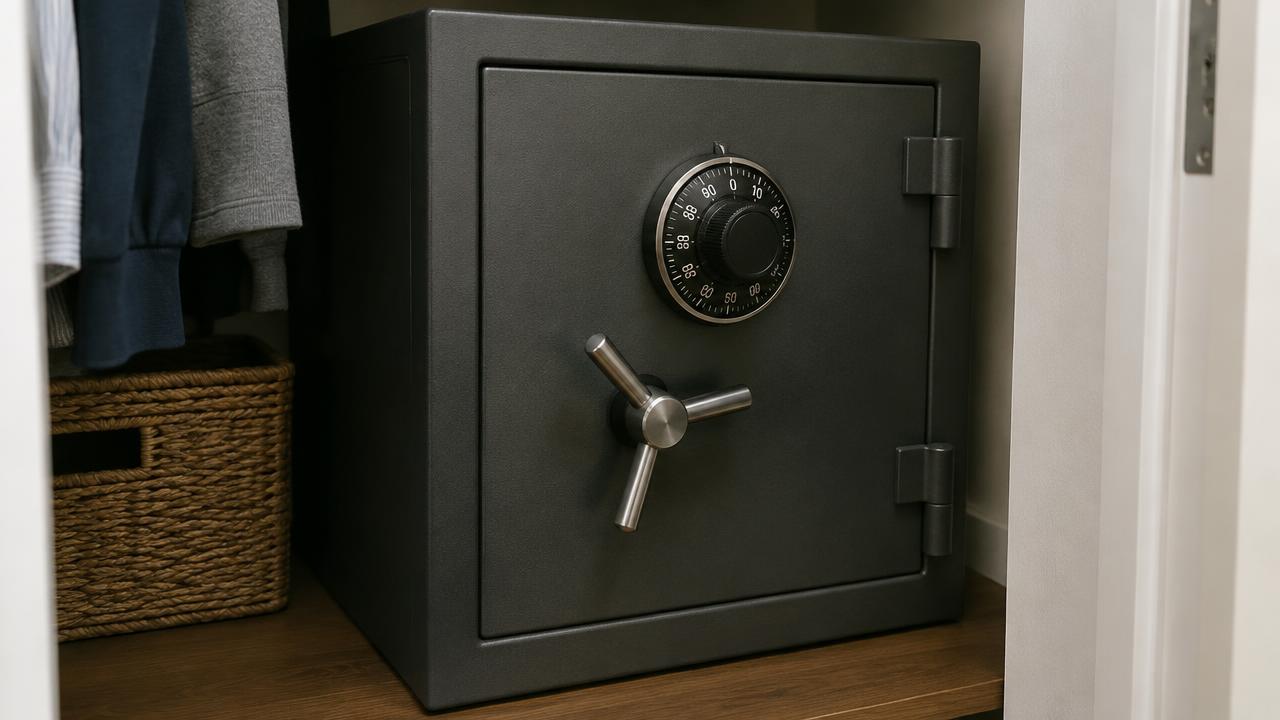
Safe opening in Evansville means getting a locked safe open using manipulation, decoding, or other non destructive methods whenever possible, with drilling used only when the lock has genuinely failed, and only after we confirm you own the safe or the property.
Who Needs This Service?
- Someone who forgot or lost a combination
- A new homeowner or tenant with an old safe left behind
- A business owner locked out of a floor safe or file safe
- Anyone whose electronic keypad stopped responding
- A family dealing with a safe from an estate or inherited property
What's Included
- Ownership or right-of-access verification before any work starts
- Inspection of the lock type: dial, keypad, or key
- Manipulation or decoding attempts when the mechanism allows it
- A clear explanation if drilling turns out to be necessary
- Testing the lock afterward so it opens cleanly
- A written quote before any work begins
Our Process
- 1
Call and describe the safe and what's happening with it.
- 2
We ask for proof you own the safe or the property it sits in.
- 3
A technician inspects the lock in person and gives you a plan and price.
- 4
We open it using the least invasive method that will work.
- 5
We test the lock and go over next steps if it needs repair or a new combination.
What This Service Costs
What a safe opening costs depends on the type of lock, how the safe is built, and whether manipulation will work or drilling becomes necessary. A basic dial or keypad in good shape usually costs less to open than a safe with a failed internal mechanism.
We inspect the safe in person before naming a price. You'll get a written quote before any work starts, so there's no confusion about what you're paying for or why.
How We Approach a Locked Safe
Every safe opening starts with the same question: can we prove this is your safe or your property? ID, a lease, a bill of sale, or similar documentation comes first. Scam operators skip this step. We don't, because it protects you as much as it protects us.
Once that's settled, the technician looks at the lock itself. Many safes can be opened through manipulation, reading the mechanism's response without forcing anything, or through decoding methods specific to that lock type. These leave the safe intact and reusable.
Drilling is the last resort, used when internal parts have broken or the lock can't be read any other way. If that's the case, we say so before we start and explain what it means for the safe afterward.
Common Reasons Safes Get Locked
- A forgotten or misremembered combination
- Dead batteries or a glitching electronic keypad
- Worn internal wheels that no longer line up with the dial
- A lost or broken key on a key-locking safe
- Damage to the door or bolt work from a fall or impact
Talk to a real local locksmith. You get the price before any work starts.
Call 812-454-0180Why Call Us for a Locked Safe
A safe is meant to keep things secure, so we treat every opening request with the same caution the safe was built for. Verifying ownership isn't a formality here, it's the whole point.
Our technicians work through the least destructive option first, every time. If a job does need drilling, you'll hear that from us before we start, not find out after the fact.